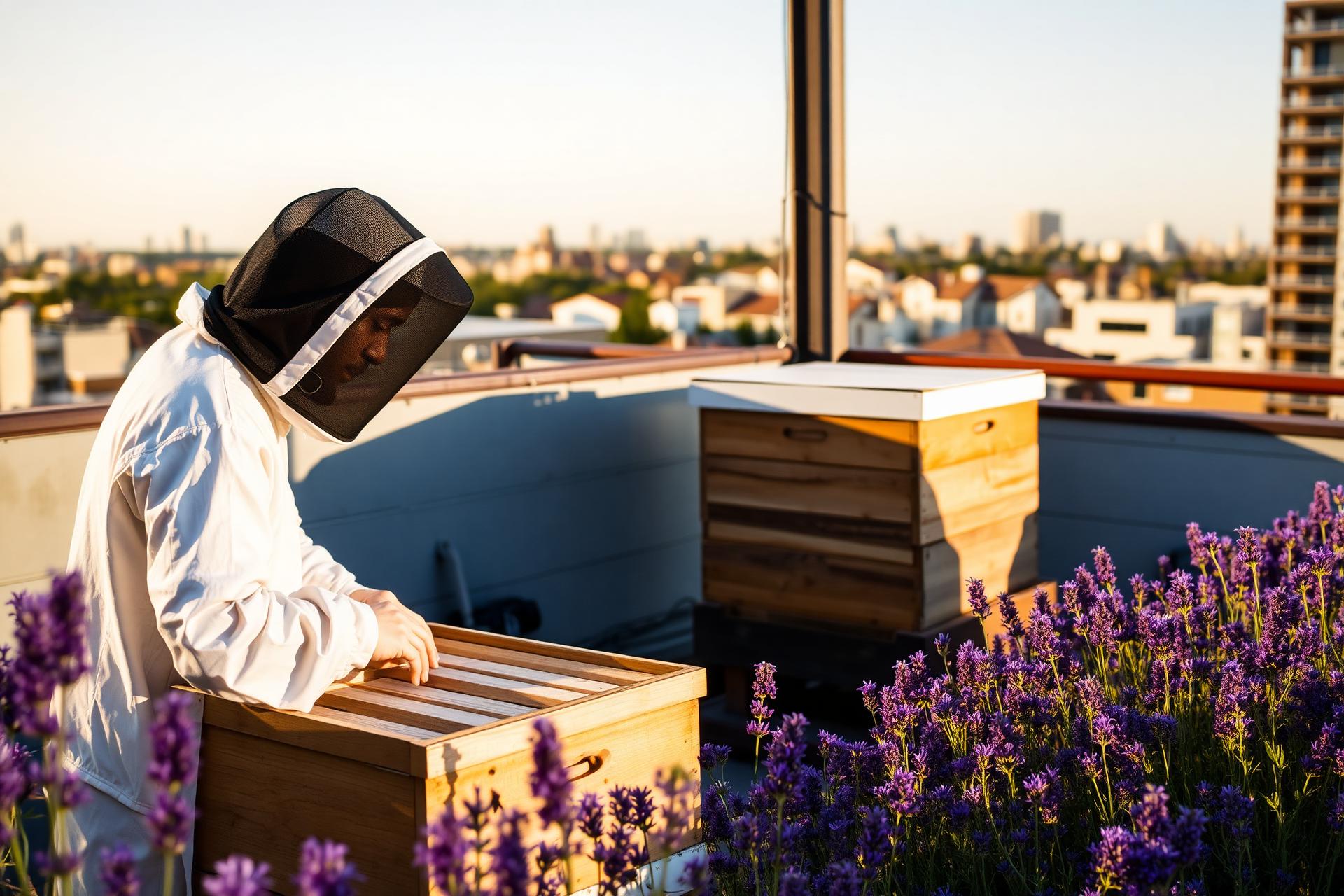
A Heartland Initiative
Urban Beekeeping & Pollinator Stewardship.
Bees, butterflies, and native pollinators make our food system possible. Heartland Project supports lawful, neighborly beekeeping and pollinator-friendly gardens — from a single rooftop hive to citywide habitat corridors.
Why it matters
A small wing. A vast harvest.
1 in 3
bites of food we eat depends on pollinators.
~75%
of flowering plants rely on animal pollinators.
4,000+
native bee species in North America alone.
Hive models
Where hives belong.
Honeybees thrive in a surprising range of places — when the site, setup, and stewardship are right.
Rooftop Hives
Underused rooftops become productive habitat — quiet, sunny, and out of foot traffic.
Backyard Hives
A single well-placed hive can pollinate gardens for blocks and produce honey for a household.
School Apiaries
Observation hives and pollinator gardens turn schoolyards into living biology labs.
Church Pollinator Gardens
Courtyards and lawns planted for pollinators — beauty, harvest, and witness in one.
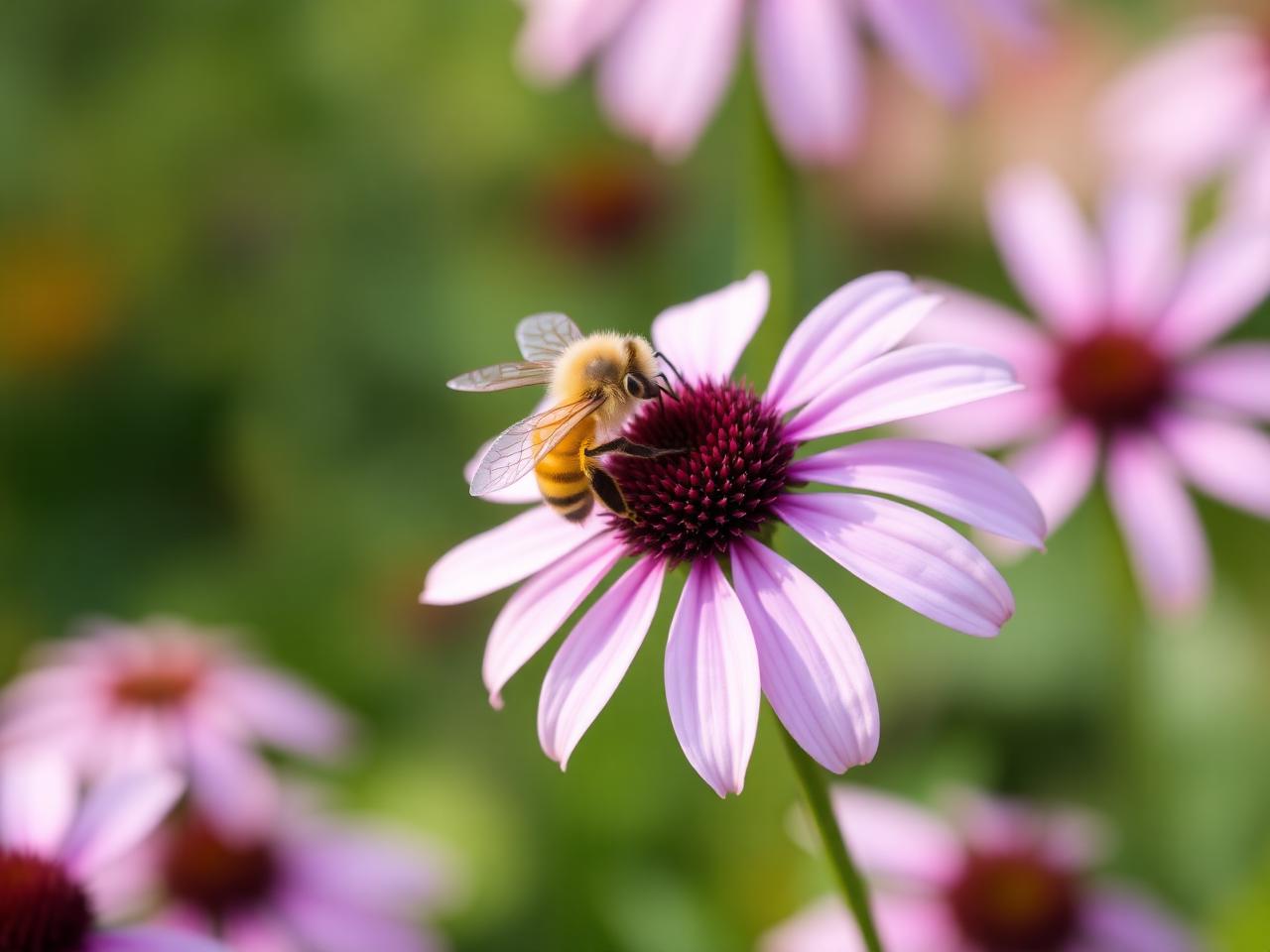
Pollinator-safe planting
You don't need a hive to help.
Even a single window box of flowering herbs supports pollinators. Plant a sequence of blooms across the seasons and you become essential infrastructure for the food web around you.
Spring
Crocus, willow, redbud, fruit trees, dandelion, clover.
Summer
Lavender, echinacea, bee balm, sunflower, borage, basil (let it flower).
Fall
Goldenrod, asters, sedum, salvia, native sunflowers.
Always
Native wildflowers, herb gardens, and a clean, shallow water source.
Don't forget the natives.
Honeybees get most of the headlines, but native bees — mason, leafcutter, bumble, sweat, mining — are quiet workhorses, often more efficient pollinators than their imported cousins.
Leave bare soil and undisturbed corners — most native bees nest in the ground.
Keep some pithy stems and dead wood for cavity-nesters like mason and leafcutter bees.
Plant native species — they evolved with local pollinators.
Skip the bug zapper and broad-spectrum sprays. Tolerate a little nibbling.
Responsible beekeeping
Lawful. Safe. Neighborly.
Beekeeping is a privilege and a responsibility. These are the practices we encourage for every Heartland-aligned beekeeper.
01
Check local ordinances first.
Many cities allow urban beekeeping with limits on hive count, setbacks, water sources, and registration. Always start with your city, HOA, and landlord.
02
Talk to your neighbors.
Good beekeeping is good neighboring. Share your plan, your contact info, and a jar of honey when it's ready.
03
Provide water.
Hives need a clean, nearby water source — otherwise bees will find your neighbor's pool. A shallow dish with stones works.
04
Mind flight paths.
Aim hive entrances away from walkways and play areas. A 6-foot fence or hedge raises bees up and over.
05
Inspect regularly.
Healthy colonies need attention — pest checks (Varroa especially), space management, and seasonal feeding when needed.
06
Use pollinator-safe practices.
No neonicotinoids. No spraying open blooms. Choose organic and integrated pest management approaches in surrounding gardens.
A note on local law and safety
Heartland Project does not provide legal advice. Beekeeping ordinances vary widely by city, county, and even neighborhood. Before keeping bees, consult your local authority, beekeeping association, landlord, and HOA. Consider allergies in your household and immediate neighbors, and never place hives where they create a risk to people, pets, or the public.
Honeybee education for every age.
We're building curriculum and resources for families, classrooms, and congregations — so the next generation grows up understanding what pollinators do and how to protect them.
- Family-friendly intros to honeybee biology and behavior
- Classroom kits and observation-hive guidance
- Church study guides on creation care and stewardship
- Mentor connections with local beekeeping associations
Plant for the pollinators. Steward the rest.
Whether you keep a hive or simply plant a few flowering herbs, you're part of the food web that feeds us all. Start small — they'll find you.